Skin Health
Profhilo Explained: How Bio-Remodelling Differs From Filler
Profhilo uses the same base ingredient as many fillers but does the opposite job. How bio-remodelling works, the two-session protocol, and what it cannot fix.
Medically reviewed by Dr. Maliha Dar, DHA-licensed General Practitioner (licence 29664582-005) · 29 September 2026
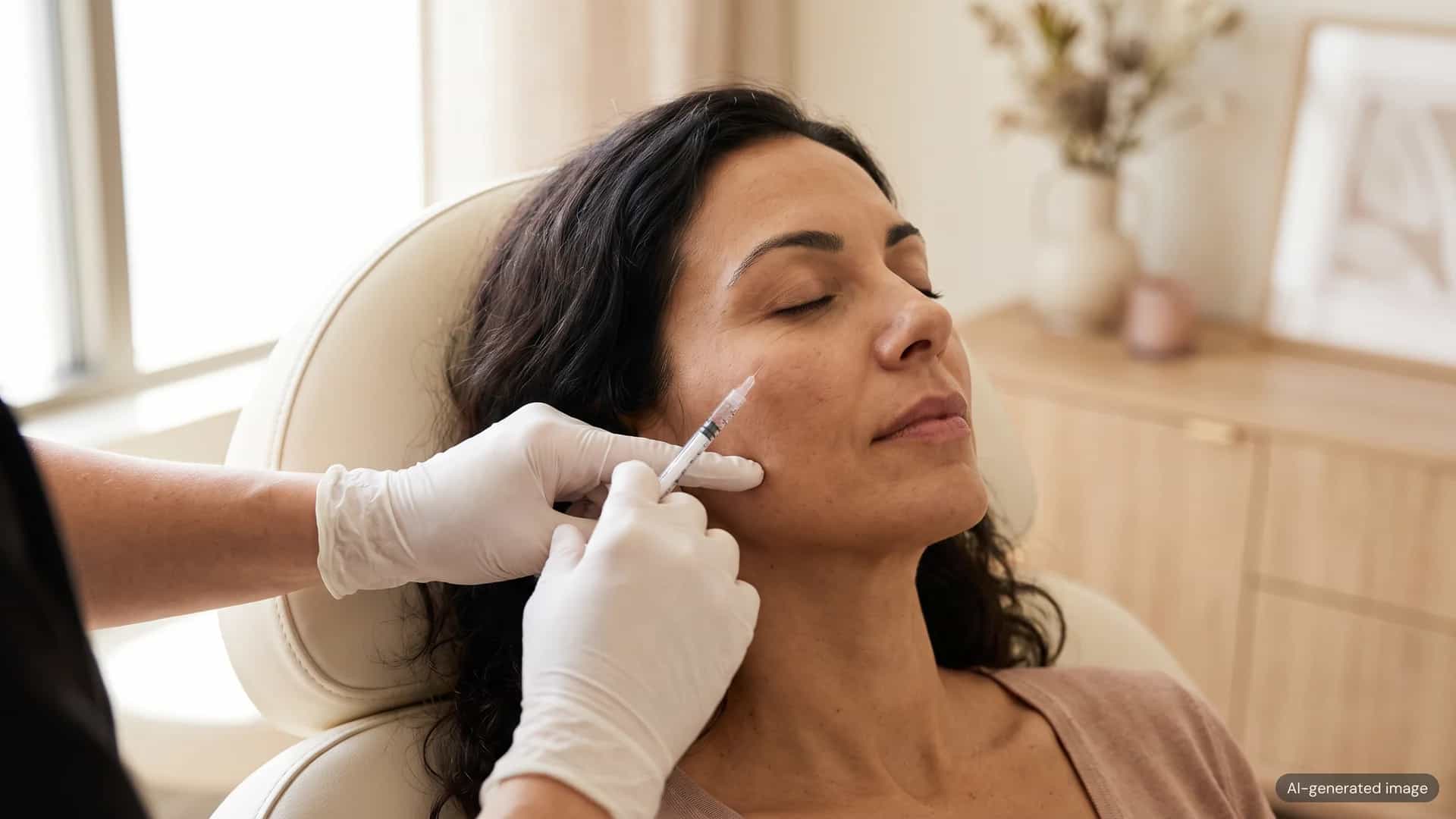
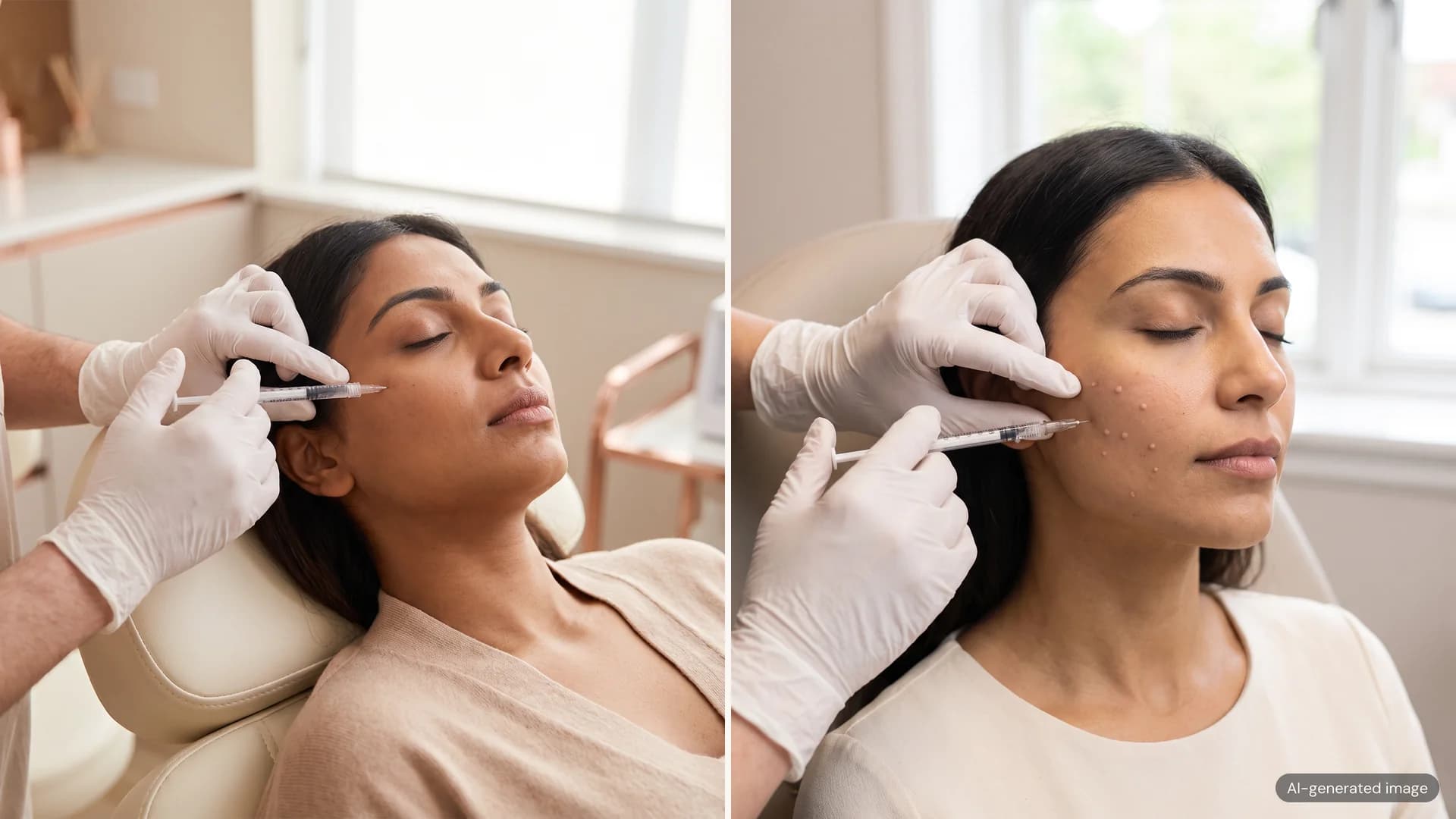
Header image: AI-generated illustration; not a real patient.
In short
Profhilo is stabilised hyaluronic acid injected to hydrate skin from within and improve early laxity. Unlike filler it is formulated to spread through tissue rather than hold shape, so it adds no volume. The standard protocol is two sessions four weeks apart.
Key facts
| What it is | Stabilised hyaluronic acid, no chemical cross-linking |
|---|---|
| Category | Bio-remodelling — a skin-quality treatment |
| Treats | Dehydration, dull skin, crepey texture, early laxity |
| Session length | 30–45 minutes |
| Standard course | 2 sessions, 4 weeks apart |
| Downtime | Small bumps and redness for 24–48 hours |
| Results | Hydration in days; firmness over 4–8 weeks |
| Does not | Add volume, change contour or lift sagging skin |
Profhilo causes confusion because it is made from hyaluronic acid, the same base ingredient as most dermal fillers, yet it is not a filler and does not behave like one.
The difference is in how the hyaluronic acid is prepared, and that difference determines everything about what the treatment can and cannot do.
What bio-remodelling actually means
Dermal filler is cross-linked. Chemical bonds are introduced between hyaluronic acid chains so the gel holds its shape, stays where it is placed, and projects tissue outward. That is precisely what you want when replacing lost cheek volume or defining a jawline.
Profhilo is not cross-linked in that way. It is a high concentration of stabilised hyaluronic acid designed to spread through the tissue rather than sit as a bolus. Instead of creating structure at one point, it disperses through an area, drawing in water and releasing slowly.
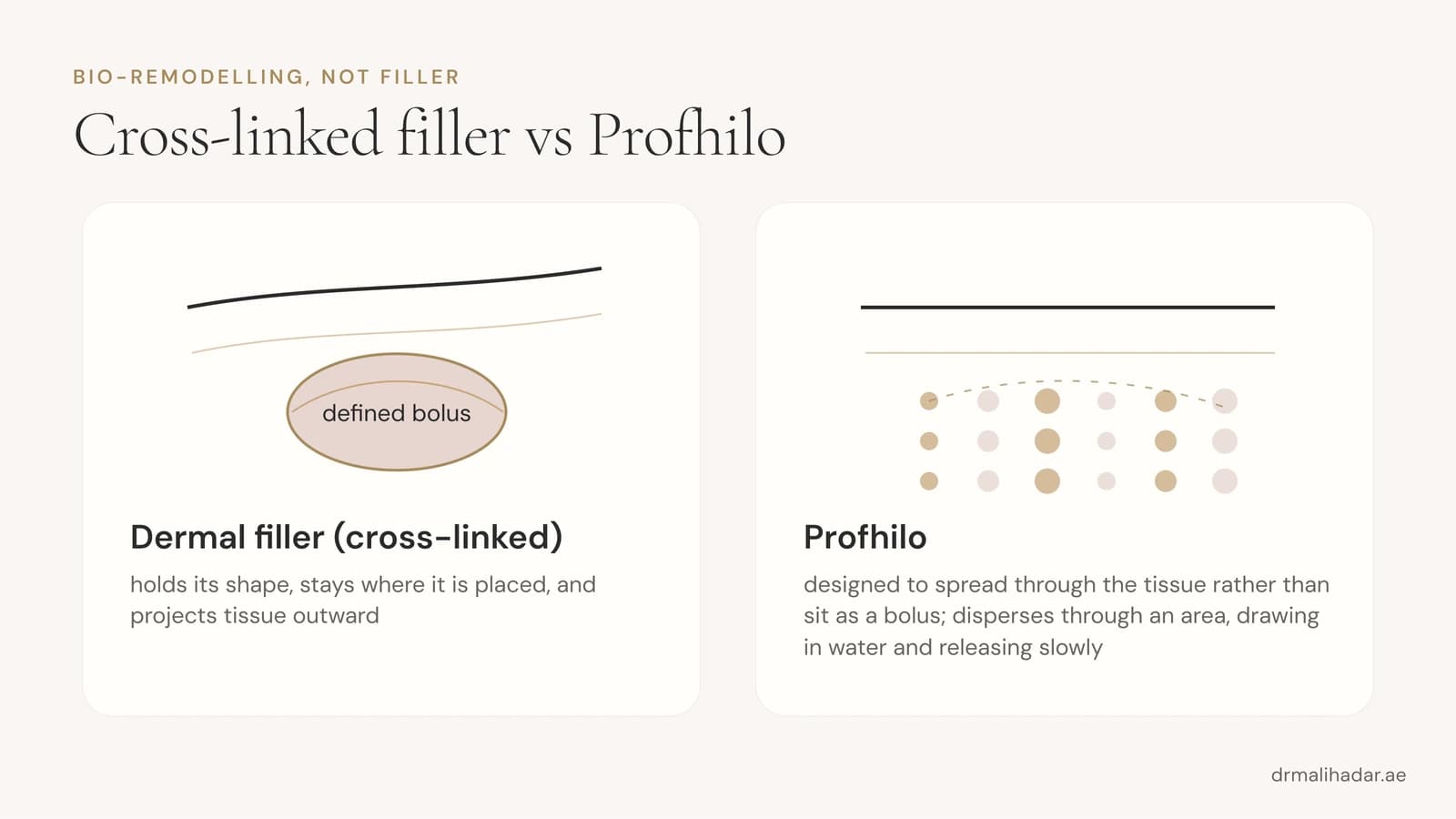
The slow release is the mechanism. Rather than a single hydrating hit, the skin is exposed to hyaluronic acid over an extended period, which stimulates the tissue and improves hydration, elasticity and firmness at the skin-quality level.
This is why it is placed at a small number of defined points rather than injected wherever a line appears: the product is designed to travel.
Profhilo compared with filler and toxin
These three categories are confused constantly, and choosing the wrong one is the most common reason a treatment disappoints.
| Botulinum toxin | Dermal filler | Profhilo | |
|---|---|---|---|
| What it does | Reduces muscle movement | Adds volume and contour | Hydrates and improves skin quality |
| Best for | Lines caused by expression | Hollowing, projection, definition | Dehydration, crepey skin, early laxity |
| Result appears | 3–5 days, full at 2 weeks | Immediately | Days for hydration, weeks for firmness |
| Typical duration | 3–4 months | 6–18 months by area | Around 6 months |
| Adds volume? | No | Yes | No |
The two-session protocol
Profhilo is normally given as two sessions four weeks apart. This is not a commercial convention — the protocol reflects how the product is intended to work, with the second session building on the tissue response to the first.
A single session will produce some hydration benefit but not the full effect. If you are considering only one, it is worth knowing that upfront so you can judge the real cost.
Maintenance is typically around every six months. Some patients do well with a single maintenance session rather than repeating the full pair.
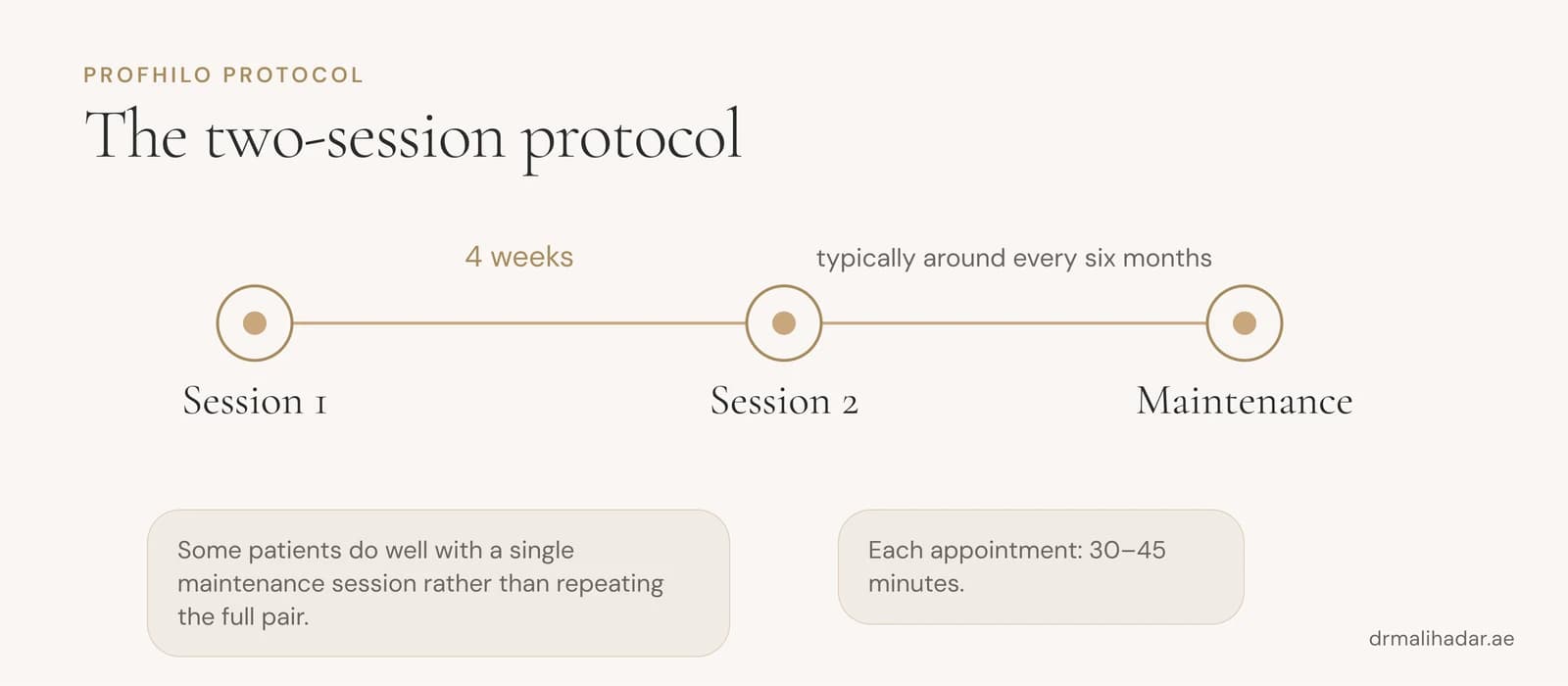
The appointment takes 30–45 minutes. Small bumps at the injection points are expected and typically settle within 24–48 hours as the product disperses.
Who it suits
Profhilo suits people whose skin looks tired, flat and dehydrated rather than lined or hollow. It is often a good first treatment for someone who does not want volume or muscle relaxation but is unhappy with skin quality.
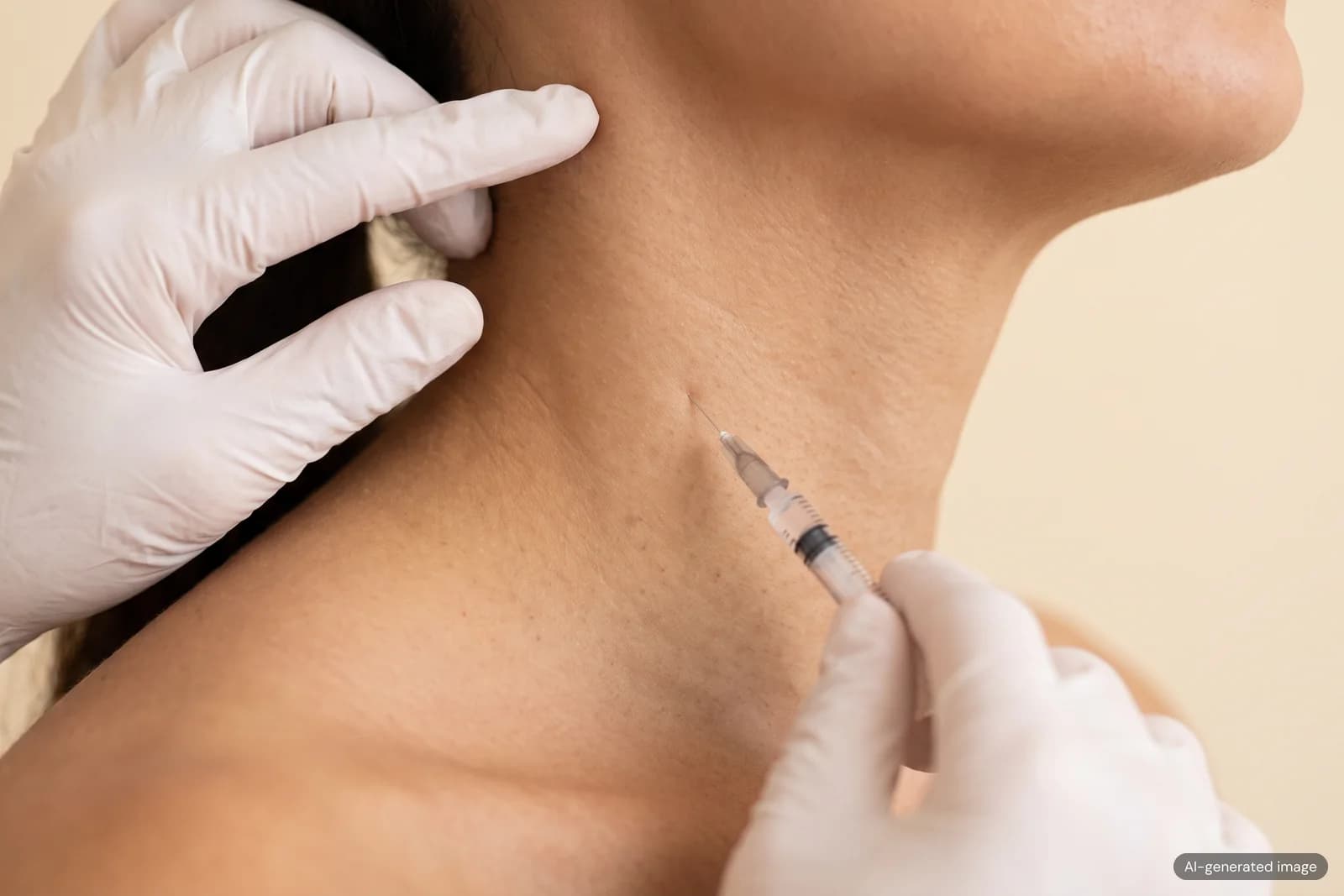
It is also used on the neck, décolletage and hands, where skin quality rather than volume is usually the issue — and where crepey texture is common and often untreated.
Who should not have it, and what it will not fix
Profhilo is not used during pregnancy or breastfeeding, where there is active infection or inflammation in the treatment area, or where there is a known hypersensitivity to hyaluronic acid products. A full medical history at consultation establishes suitability.
On expectations, two honest limits:
- It does not lift. Early laxity improves because skin quality improves. Established sagging and excess skin are not addressed by any injectable.
- It does not fill. If cheeks have flattened and folds deepened through volume loss, Profhilo will not restore that support.
- It does not stop movement. Deep frown or forehead lines caused by expression need a different treatment.
- It is not permanent. Results are maintained with repeat treatment, typically around every six months.
Risks and side effects
Expected: small raised bumps at the injection points for 24–48 hours, mild redness, and occasional tenderness or bruising.
Less common: prolonged swelling, small nodules, or localised infection. As with any injectable, treatment should take place in a licensed clinical setting by a practitioner who can recognise and manage a complication.
Because the product is hyaluronic acid based, it can be broken down with hyaluronidase if required, though this is rarely needed given it adds no structural volume.
Frequently asked questions
- What is Profhilo?
- An injectable treatment made from stabilised hyaluronic acid that hydrates the skin from within and improves early laxity. It is classed as bio-remodelling rather than filler, because it spreads through tissue instead of holding shape.
- Is Profhilo a filler?
- No. It uses hyaluronic acid like many fillers, but it is not cross-linked to hold shape. It disperses through the skin to improve hydration and quality, and it adds no volume or contour.
- How does Profhilo work?
- It releases hyaluronic acid slowly into the skin over an extended period, drawing in water and stimulating the tissue. The result is better hydration, elasticity and firmness at the level of skin quality rather than structure.
- How many Profhilo sessions do I need?
- The standard protocol is two sessions four weeks apart, with maintenance typically around every six months. A single session gives some hydration benefit but not the full effect the protocol is designed to produce.
- How long does Profhilo last?
- Around six months after a completed two-session course, though this varies with skin condition, lifestyle and sun exposure. Maintenance sessions hold the result rather than rebuilding it.
- Does Profhilo add volume to the face?
- No. It is specifically formulated not to. If your concern is flattened cheeks or deepening folds caused by lost volume, Profhilo will not address that and a different treatment category is needed.
- Will Profhilo tighten loose skin?
- It can improve early laxity by improving skin quality. It does not lift established sagging or remove excess skin — no injectable does, and you should be told so rather than sold a course that cannot deliver it.
- Where on the body can Profhilo be used?
- Most commonly the face, and also the neck, décolletage and hands, where skin quality rather than volume is usually the concern and crepey texture is common.
- What is the downtime after Profhilo?
- Small raised bumps at the injection points for roughly 24–48 hours as the product disperses, with possible mild redness or bruising. Most people return to normal activity immediately but should plan around the bumps.
- Is Profhilo safe in pregnancy?
- It is not used during pregnancy or breastfeeding, as safety has not been established in these groups. Treatment should be postponed and you should tell the clinic if there is any possibility you are pregnant.
References
- [1]Clinical, Cosmetic and Investigational Dermatology. Stabilised hyaluronic acid for skin bio-remodelling: mechanism and clinical outcomes (2021).
- [2]British Association of Dermatologists. Dermal Fillers — Patient Information Leaflet.
This article was last updated on 29 September 2026. Clinical content is reviewed at least every 12 months, and sooner if guidance changes.
Medical Disclaimer
This article is for educational purposes only and does not replace a personalised medical consultation. Treatment suitability varies by individual. Please book a consultation with Dr. Maliha Dar before proceeding with any aesthetic procedure.
Related Articles
 Skin HealthAI image
Rejuran vs Profhilo: Which Treatment Suits Your Skin?
They are both injected, neither is a filler, and they solve different problems. A side-by-side comparison of mechanism, course, downtime and who each one suits.
 RegenerativeAI image
Rejuran: A Doctor's Guide to Polynucleotide Skin Healing
What Rejuran is, how polynucleotides work, how many sessions it realistically takes, and who it does not suit — from a DHA-licensed General Practitioner.